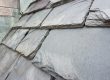

A roof leak rarely begins as a dramatic problem. In many cases, water enters through a small weakness in a roofing material, flashing joint, or roof penetration and gradually works its way into the home. By the time a homeowner notices a brown ceiling stain or damp spot, moisture may have already traveled beyond the original entry point.
Understanding the common causes of roof leaks can make it easier to recognize problems before they lead to more extensive damage. Some leaks result from weather, while others develop because of aging materials, drainage problems, poor ventilation, or installation issues. Knowing where these vulnerabilities occur and what maintenance can address them is an important part of protecting a home.
1. Damaged or Missing Shingles
Shingles form the primary weather-resistant layer of many residential roofing systems. They are designed to shed rainwater and protect the underlying layers from sun, wind, and other environmental exposure. When shingles crack, curl, loosen, or disappear entirely, water has an easier path beneath the roofing system.
Weather is a frequent contributor to shingle damage. High winds can lift or remove shingles, while hail can leave impact marks or damage the protective granules on the surface. Prolonged sun exposure can also cause roofing materials to become brittle as they age.
The problem is that shingle damage is not always easy to see from the ground. A few missing shingles may be visible after a storm, but smaller cracks, lifted edges, or areas of granule loss can be much harder to identify. Homeowners should avoid climbing onto the roof to investigate, particularly when surfaces may be wet or unstable.
Regular inspections can help identify damaged shingles while the affected area is still relatively limited. Replacing compromised shingles promptly can also help prevent water from reaching the underlayment and roof decking.
2. Worn or Damaged Flashing
Flashing is installed around areas where the roof meets another surface or where an opening passes through the roofing system. Common locations include chimneys, vents, skylights, walls, and roof intersections. These areas are especially important because they create transitions where water could otherwise find a pathway into the structure.
Flashing can deteriorate, loosen, corrode, or separate from surrounding materials over time. Sealants around flashing can also lose their effectiveness as they age. When these components fail, rainwater may enter around the penetration even if the surrounding shingles appear to be in good condition.
Flashing problems can be particularly difficult to diagnose because the water may travel along the roof decking or framing before appearing inside the home. A ceiling stain therefore does not necessarily indicate that the leak is directly above it.
Keeping an eye on areas around chimneys, vents, and other roof penetrations can help identify potential problems. During a roof inspection, these transition points should receive careful attention rather than focusing only on the condition of the shingles.
3. Clogged or Damaged Gutters
Gutters play an important role in moving rainwater away from the roof and toward appropriate drainage areas. When gutters become clogged with leaves, branches, shingle granules, and other debris, water may not drain as intended.
Overflowing water can run over the edge of the gutter and against fascia boards or exterior walls. In some situations, water can also back up toward the roof edge. Repeated exposure can contribute to deterioration of roofing components and surrounding materials.
Damaged or improperly pitched gutters can create similar problems. A gutter may appear clean but still fail to move water efficiently if it has separated from the roofline, developed a low spot, or sustained storm damage.
Gutter maintenance is therefore an important part of roof leak prevention. Cleaning gutters periodically, checking for visible damage, and making sure downspouts direct water away from the home’s foundation can reduce unnecessary moisture exposure.
4. Poor Roof Ventilation
Roof ventilation is easy to overlook because most of its important components are located above the ceiling in the attic. Yet ventilation has a direct relationship with temperature and moisture conditions within the roofing system.
During hot weather, inadequate ventilation can allow excessive heat to accumulate in the attic. Moisture can also become trapped when humid air does not circulate properly. Over time, these conditions can contribute to premature aging of roofing materials and deterioration of components within the roof assembly.
Signs of ventilation problems can include unusually hot attic spaces, moisture on attic framing, rust around nails, musty odors, or shingles that appear to be aging prematurely. These symptoms do not automatically prove that ventilation is the cause, but they can indicate that the attic and roofing system deserve closer evaluation.
Improving ventilation is not simply a matter of adding as many vents as possible. A properly designed system needs appropriate intake and exhaust airflow. Changes to ventilation should therefore consider the roof’s existing design, insulation, and construction.
5. Storm and Weather Damage
North Texas roofs are exposed to a combination of intense heat, strong winds, hail, heavy rain, and sudden storms. These conditions can cause damage that ranges from obvious missing shingles to subtle weaknesses that only become apparent during subsequent rainfall.
Hail can bruise or crack shingles and remove protective granules. Strong winds can lift shingles or damage flashing and roof edges. Falling branches can puncture roofing materials or cause more significant structural damage.
One reason storm damage can be problematic is that not every issue is immediately visible from the ground. A roof may look relatively normal after a storm while still having damaged components that allow water to enter during the next heavy rainfall.
After severe weather, homeowners should look for visible warning signs without putting themselves at risk on the roof.
What to Check After Severe Weather
A post-storm check does not replace a professional inspection, but homeowners can safely look for several indicators from ground level. These observations can help determine whether the roof may need closer attention.
- Shingles in the yard or areas that appear lifted or displaced
- Dented or damaged gutters, vents, or other exterior components
- Water stains on ceilings or upper walls
- Excessive shingle granules accumulating in gutters or near downspouts
- Debris or fallen branches that have contacted the roof
- New leaks or damp areas appearing after rainfall
A roof does not necessarily need replacement because one of these signs is present. The appropriate response depends on the location, extent, age, and type of damage. In some cases, a localized repair may be sufficient. More widespread deterioration may require a different solution.
How to Reduce the Risk of Roof Leaks
Preventing every roof leak is impossible, particularly when severe weather causes sudden damage. However, homeowners can reduce avoidable risks by paying attention to the condition of the entire roofing system rather than focusing only on visible shingles.
Routine inspections are useful because many roofing problems develop gradually. An inspection can evaluate shingles, flashing, roof penetrations, drainage areas, ventilation, and other components that are difficult to assess from the ground.
Gutter maintenance should also be part of routine exterior care. Keeping drainage paths clear allows rainwater to move away from the roof more effectively and helps reduce the likelihood of water collecting where it should not.
Homeowners should also pay attention to changes inside the home. A new ceiling stain, musty odor, bubbling paint, or recurring dampness following rainfall can indicate that water is entering somewhere above or around the affected area.
Prompt repairs are generally easier to manage than problems that have been allowed to continue through multiple storms. Addressing a damaged shingle or deteriorating flashing component early may prevent moisture from reaching the roof decking, insulation, or interior finishes.
When a Small Leak Becomes a Bigger Problem
A roof leak should not be judged solely by the size of the visible stain. Water can travel along framing, insulation, and decking before appearing inside a room, which means the visible symptom may be several feet away from the actual entry point.
Continued moisture exposure can weaken wood components, damage insulation, deteriorate drywall, and create conditions favorable to mold growth. The longer water remains uncontrolled, the greater the possibility that repairs will involve more than the original roofing material.
This is why identifying the source matters. Painting over a ceiling stain may improve its appearance temporarily, but it does not address the pathway that allowed water into the home. The same principle applies to replacing a single visible shingle without investigating whether surrounding components have also been affected.
An inspection can help determine whether the issue is isolated or part of a larger roofing problem. It can also provide useful information about whether repair, maintenance, or replacement makes the most practical sense.
Frequently Asked Questions About Roof Leaks
Can a Roof Leak Occur Without a Ceiling Stain?
Yes. Water can remain within roofing or building materials without immediately reaching the finished ceiling. A small leak may also occur in an attic or wall cavity without producing an obvious interior stain. This is one reason recurring odors, damp insulation, or unexplained moisture should not be ignored even when the ceiling looks normal.
How Often Should a Roof Be Inspected?
The appropriate inspection schedule depends on the roof’s age, condition, and exposure to weather. Regular inspections can help identify developing problems before they become more extensive. It is also sensible to have the roof evaluated after significant hail or wind events, particularly when there are visible signs of damage or new interior leaks.
Should Homeowners Repair a Roof Leak Themselves?
Some very minor maintenance tasks may be suitable for homeowners, but climbing onto a roof or attempting unfamiliar repairs can create significant safety risks. Roofing systems also contain multiple layers and components, so an incorrect repair may fail to address the actual source of the leak. When the source is unclear or the damage is significant, an appropriate roofing assessment is a safer approach.
Does Every Roof Leak Mean the Roof Needs to Be Replaced?
No. A leak does not automatically mean that a roof has reached the end of its useful life. Localized damage involving a shingle, flashing component, or seal may be repairable. Replacement becomes more likely when damage is widespread, materials are significantly deteriorated, or the roofing system is nearing the end of its expected service life. An evaluation of the roof’s overall condition provides a better basis for that decision than a single leak alone.
Stop Roof Leaks Before They Become Bigger Problems With Graves Roofing & Restoration
A small roof leak can eventually lead to damaged decking, insulation, ceilings, and other parts of the home if the underlying source is left unresolved. Graves Roofing & Restoration can help homeowners identify roofing problems with free inspections and address issues ranging from leaks and damaged shingles to storm-related roof damage.
Contact us today to schedule a free inspection and get a clearer understanding of what your roof needs to stay protected.