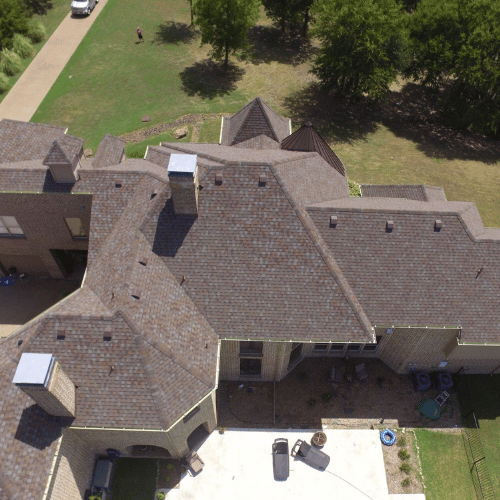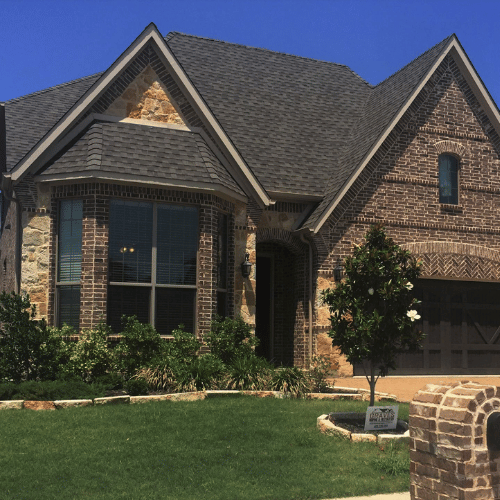
Your home is more than just four walls and a roof; it’s a sanctuary where cherished memories are made. Protecting that sanctuary is crucial, and here at Graves Roofing & Restoration, we understand that significance. Located in the heart of Rockwall, we’re not just your local roofing professionals; we’re your neighbors, committed to preserving and beautifying homes in our community and the surrounding areas.
Graves Roofing & Restoration | Roofing in Rockwall & Surrounding Areas
Your home is more than just four walls and a roof; it’s a sanctuary where cherished memories are made. Protecting that sanctuary is crucial, and here at Graves Roofing & Restoration, we understand that significance. Located in the heart of Rockwall, we’re not just your local roofing professionals; we’re your neighbors, committed to preserving and beautifying homes in our community and the surrounding areas.
Roofing in Rockwall & Surrounding Areas
Roofing in Rockwall & Surrounding Areas
Call Today at (214) 205-3274
We Get Weather
We’re no strangers to the climatic quirks of our hometown, Rockwall. We’ve shared the collective sigh when hail hits our rooftops and the wince when the summer sun bears down on our homes. We know what it’s like, and we’ve translated this shared experience into designing and crafting roofs that brave these conditions, year after year.
Neighbors Serving Neighbors
Many of us at Graves Roofing & Restoration grew up right here in Rockwall, playing in its parks, fishing in Lake Ray Hubbard, and cheering for the Yellowjackets. Our roots run deep, and this isn’t just work for us—it’s about looking out for our own. We treat every roofing project as if it were for our own homes, with the same love, respect, and attention to detail.
Roofing With A Heart
At Graves, we don’t just install roofs; we build relationships. To us, roofing is more than a business—it’s our way of giving back to the community that’s given us so much. When you choose Graves, you’re not just getting a superior roofing solution; you’re joining a family that takes pride in making Rockwall a safe, comfortable, and beautiful place to live, one roof at a time.
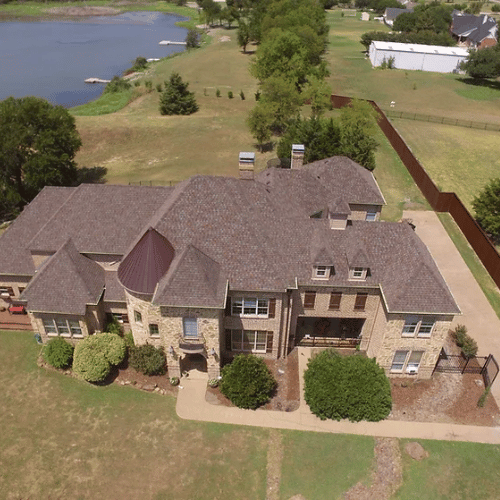

Roofing in Rockwall & Surrounding Areas
Call Today at (972) 532-0442
We Get Rockwall Weather
We’re no strangers to the climatic quirks of our hometown, Rockwall. We’ve shared the collective sigh when hail hits our rooftops and the wince when the summer sun bears down on our homes. We know what it’s like, and we’ve translated this shared experience into designing and crafting roofs that brave these conditions, year after year.
Neighbors Serving Neighbors
Many of us at Graves Roofing & Restoration grew up right here in Rockwall, playing in its parks, fishing in Lake Ray Hubbard, and cheering for the Yellowjackets. Our roots run deep, and this isn’t just work for us—it’s about looking out for our own. We treat every roofing project as if it were for our own homes, with the same love, respect, and attention to detail.
Roofing With A Heart
At Graves, we don’t just install roofs; we build relationships. To us, roofing is more than a business—it’s our way of giving back to the community that’s given us so much. When you choose Graves, you’re not just getting a superior roofing solution; you’re joining a family that takes pride in making Rockwall a safe, comfortable, and beautiful place to live, one roof at a time.
About Us
Graves Roofing in Rockwall & Surrounding Areas
Our Story
It all began in 2013 when Rockwall’s very own Bryan and Lauryn Graves took a leap of faith, embarking on a new journey with Graves Roofing & Restoration. With two decades of experience tucked under their belts, working for a national storm restoration company, they weren’t strangers to the industry. Their expertise, strengthened by training from InterNACHI, became the foundation of our company. By 2016, the duo decided to go all in, driven by the mission to serve the Rockwall community with utmost dedication. We’re not just a business; we’re family-owned and operated. When you choose us, you’re not just getting a service – you’re joining the Graves family.
Our Team
Beyond Bryan and Lauryn’s leadership, our team is a robust blend of dedicated Rockwall roofing contractors and hands-on project managers. Each member is certified, insured, and primed to handle a wide spectrum of tasks – from grand construction projects to minor repair touch-ups. And we believe in personalized service. When you’re with Graves, you’re paired with a devoted project manager to guide you every step of the way.
Our Commitment
Our drive? It’s simple: an unwavering commitment to excellence. The Rockwall spirit of community and hard work runs in our veins. Every roofing contractor and storm damage expert in our team pushes boundaries, ensuring our homeowners are more than just satisfied. We don’t just complete projects; we build lasting relationships. Choose Graves Roofing & Restoration, and experience the difference of hometown dedication.
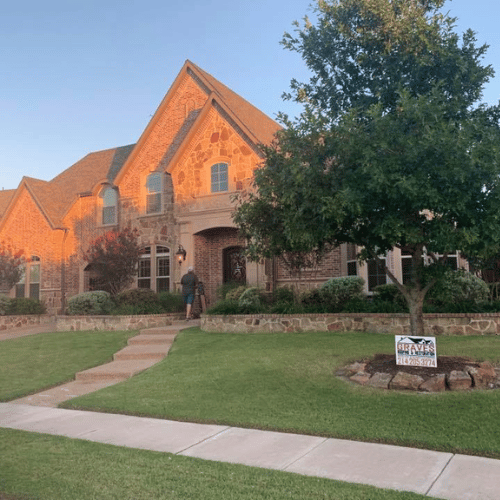
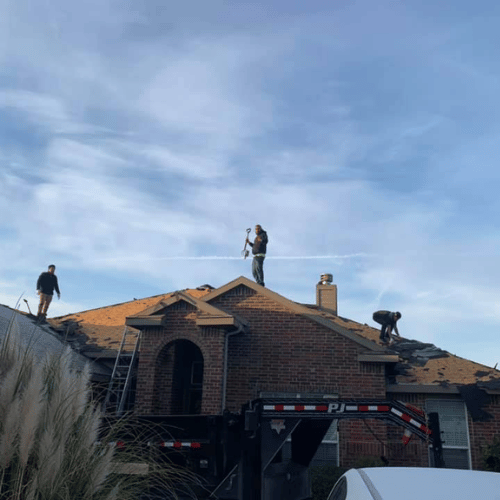
About Us
Graves Roofing in Rockwall & Surrounding Areas
Our Story
It all began in 2013 when Rockwall’s very own Bryan and Lauryn Graves took a leap of faith, embarking on a new journey with Graves Roofing & Restoration. With two decades of experience tucked under their belts, working for a national storm restoration company, they weren’t strangers to the industry. Their expertise, strengthened by training from InterNACHI, became the foundation of our company. By 2016, the duo decided to go all in, driven by the mission to serve the Rockwall community with utmost dedication. We’re not just a business; we’re family-owned and operated. When you choose us, you’re not just getting a service – you’re joining the Graves family.
Our Team
Beyond Bryan and Lauryn’s leadership, our team is a robust blend of dedicated Rockwall roofing contractors and hands-on project managers. Each member is certified, insured, and primed to handle a wide spectrum of tasks – from grand construction projects to minor repair touch-ups. And we believe in personalized service. When you’re with Graves, you’re paired with a devoted project manager to guide you every step of the way.
Our Commitment
Our drive? It’s simple: an unwavering commitment to excellence. The Rockwall spirit of community and hard work runs in our veins. Every roofing contractor and storm damage expert in our team pushes boundaries, ensuring our homeowners are more than just satisfied. We don’t just complete projects; we build lasting relationships. Choose Graves Roofing & Restoration, and experience the difference of hometown dedication.
Why Choose Us?
Trust and Reliability
Unwavering Dedication to Quality:
Graves Roofing & Restoration, LLC isn’t just another roofing company. Established in 2013, we are deeply rooted in Rockwall and proudly local. Our specialization spans from meticulous inspections to comprehensive storm restorations, roof repairs, and even window and gutter replacements. But what truly sets us apart? Our credentials. We’re not only backed by experience but also by the industry’s most respected certifications. With recognitions such as GAF Master Elite, CertainTeed Master Shingle Applicator, Owens Corning, and TAMKO, you’re not just getting a service; you’re getting unparalleled expertise and assurance.
Commitment Beyond Contracts:
We believe in standing firmly behind every job we undertake. Our promise is not just about delivering unmatched craftsmanship, but it’s also about ensuring longevity. Every roofing job is backed by a three-year craftsmanship warranty, further strengthened by the manufacturer’s 50-year non-prorated transferable guarantee. Our gutters also come with a three-year craftsmanship warranty. Our objective is more than just completing a task; it’s about forging lasting bonds. While our work speaks volumes, we always remember that trust isn’t bought; it’s earned. That’s why our inspections are free, ensuring you make informed decisions with utmost peace of mind.
Reaching Out, Far and Wide:
While Rockwall is our home base, our services stretch across the vast expanse of the DFW Metroplex and East Texas. We cater to numerous locations, including Rowlett, Heath, McLendon-Chisholm, Fate, Royse City, and many more. Don’t see your area on our list? No worries.
Reach out to us at (972) 532-0442. We’re always ready to discuss your roofing, gutter, or window project and provide a free estimate. And if you’re concerned about the financial side, we’ve got you covered with flexible financing options.
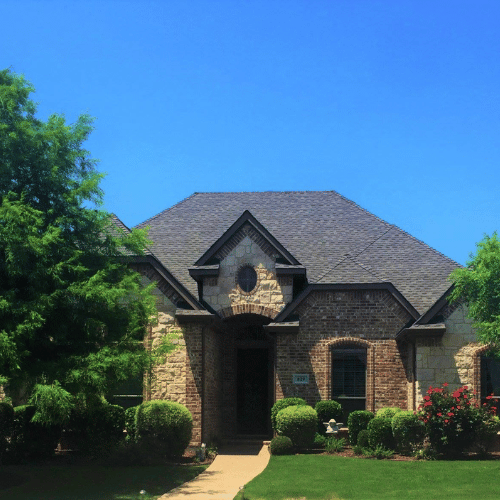
Why Choose Us?
Trust and Reliability
Unwavering Dedication to Quality:
Graves Roofing & Restoration, LLC isn’t just another roofing company. Established in 2013, we are deeply rooted in Rockwall and proudly local. Our specialization spans from meticulous inspections to comprehensive storm restorations, roof repairs, and even window and gutter replacements. But what truly sets us apart? Our credentials. We’re not only backed by experience but also by the industry’s most respected certifications. With recognitions such as GAF Master Elite, CertainTeed Master Shingle Applicator, Owens Corning, and TAMKO, you’re not just getting a service; you’re getting unparalleled expertise and assurance.
Commitment Beyond Contracts:
We believe in standing firmly behind every job we undertake. Our promise is not just about delivering unmatched craftsmanship, but it’s also about ensuring longevity. Every roofing job is backed by a three-year craftsmanship warranty, further strengthened by the manufacturer’s 50-year non-prorated transferable guarantee. Our gutters also come with a three-year craftsmanship warranty. Our objective is more than just completing a task; it’s about forging lasting bonds. While our work speaks volumes, we always remember that trust isn’t bought; it’s earned. That’s why our inspections are free, ensuring you make informed decisions with utmost peace of mind.
Reaching Out, Far and Wide:
While Rockwall is our home base, our services stretch across the vast expanse of the DFW Metroplex and East Texas. We cater to numerous locations, including Rowlett, Heath, McLendon-Chisholm, Fate, Royse City, and many more. Don’t see your area on our list? No worries.
Reach out to us at (972) 532-0442. We’re always ready to discuss your roofing, gutter, or window project and provide a free estimate. And if you’re concerned about the financial side, we’ve got you covered with flexible financing options.