
Trusted Roofing Company in Rockwall, TX
Roof repairs, replacements, and storm damage restoration from a local, family-owned team. Get a free roof inspection and honest recommendations from experienced roofing professionals.
- Family-Owned & Local Since 2013
- 3-Year Workmanship Warranty
- Free Roof Inspections
Roofing Services to Keep Your Home Protected
From routine repairs to full roof replacements, Graves Roofing & Restoration provides the roofing services you need to keep your home protected. Whether your roof has been damaged by a North Texas storm or simply reached the end of its lifespan, our experienced team will help you understand your options and find the right solution for your home.
When repairs aren’t enough, we’ll help you choose a durable roofing system that’s right for your home.
From leaks and missing shingles to storm damage, we’ll identify the problem and recommend the right repair.
We’ll inspect your roof for hail and wind damage and help you navigate the insurance process.
Complete your home’s exterior protection with professional gutter and window replacement.
Roofing Built for North Texas Weather
Hail, high winds, intense summer heat, and sudden storms can take a serious toll on your roof. Graves Roofing & Restoration helps Rockwall-area homeowners repair damage, replace aging roofs, and protect their homes with roofing systems built for North Texas conditions.
What Your Neighbors Are Saying
Posted on GoogleTrustindex verifies that the original source of the review is Google. We had hail damage on our roof. Bryan came and checked it out and even met with the insurance adjuster. The entire process was effortless for us! He and his crew replaced our roof and gutters quickly. Great job! I highly recommend Graves Roofing!Posted on GoogleTrustindex verifies that the original source of the review is Google. I would definitely recommend this company to friends and family. Locally and family owned. Reputable, honest and great quality.Posted on GoogleTrustindex verifies that the original source of the review is Google. Graves roofing has been very helpful and responsive in my roofing situation. I would highly recommend them if you need a roof tarped, repaired or replaced. Very satisfied with their service.Posted on GoogleTrustindex verifies that the original source of the review is Google. Great company to work with! Brandon was so helpful and was with me from beginning to end of the process. Good cleanup ! No issues and great service!Posted on GoogleTrustindex verifies that the original source of the review is Google. We recently had to have our roof replaced. After meeting with several other companies, Brandon Westphal with Gaves Roofing came to our home. He was by far the most professional, personable, knowledgeable, and the most reasonably priced for the quality of the products. He kept us informed throughout the process and completed the project in an extremely timely manner. Very satisfied with our experience with Brandon at Graves Roofing.Posted on GoogleTrustindex verifies that the original source of the review is Google. Rob with Graves roofing came to my house after a bad storm that ripped a 6' x 8' section of shingles off and volunteered to install a free temporary patch to my roof to minimize any further damage until my roof could be replaced even of I didnt choose his company. He was genuine and transparent about everything and when the company replaced the roof the workers were professional and did a great job even with the challenges of getting the equipment on my property with the tight access to my driveway from the alleyway. The roof looks great and we have had no issues through several bad storms since then. The cleanup was thorough and I was only able to find one nail after searching the property. That's pretty good in my book. I am very satisfied. I recommend this company to anyone reading this. Rob thanks again. We need more like you out there. Edited to add: Rob has also checked in with me several times since the install to make sure everything was satisfactory and even driven out to the house after bad storms to see if the roof had any issues.Posted on GoogleTrustindex verifies that the original source of the review is Google. We had three roofers come out an inspect our home for hail damage and picked Graves because of Brandon Westphal. He took more time with us than any of our roofers and explained everything to us very well. He even grabbed my son's tennis ball out of the gutter and tossed it down to him just to be kind (none of the other roofers had seen this). When it came time to do an insurance claim, he was very knowledgeable and thorough. He came to our home when the insurance adjuster was doing his walk-through and helped find additional damages which the adjuster missed in his initial assessment. Brandon has always been responsive and helpful, he saved us time, headache, and money. Based on my experience working with Brandon, I highly recommend Graves roofing!Posted on GoogleTrustindex verifies that the original source of the review is Google. Great so far the did our roof looks great, waiting to get restoration work done.Posted on GoogleTrustindex verifies that the original source of the review is Google. We recently had some major wind damage and called up Bryan Graves and had him come by and take a look. Was able to locate the damage and didn't just go to "you need a new roof", as many others would do. He inspected the whole roof, patched up where the shingles blew off and even sealed up the roof jacks, flashings and exposed nails...and painted. Above and beyond the best in the business, knowledgeable, professional and friendly the whole way thru. Thanks so much and highly recommend for all your roof and restoration needs.
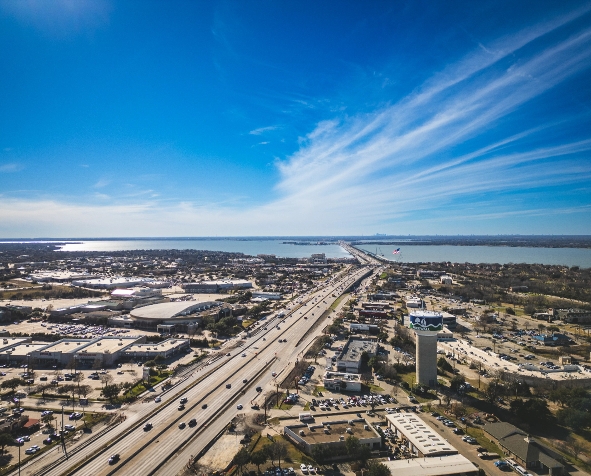
Proud to Call Rockwall Home
Rockwall isn’t just part of our service area—it’s our home. Since 2013, Graves Roofing & Restoration has been proud to serve the homeowners and families who make this community such a great place to live. We’ve watched Rockwall grow, weather countless North Texas storms, and become the community we’re proud to be a part of.
When you choose Graves, you’re choosing a local roofing company that has a genuine investment in the community we serve. Whether you need a roof repair, replacement, or help after a storm, we’re here to provide honest recommendations, quality workmanship, and a roofing experience you can feel good about.
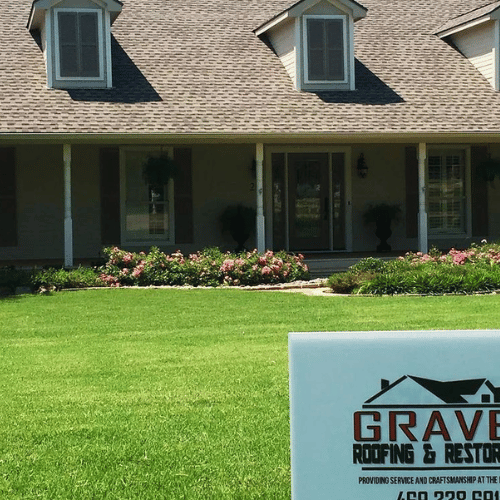
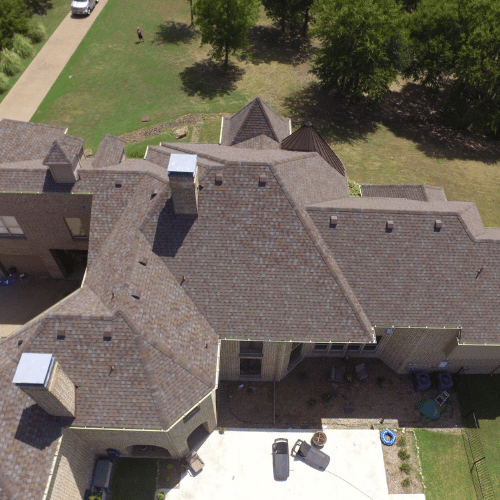
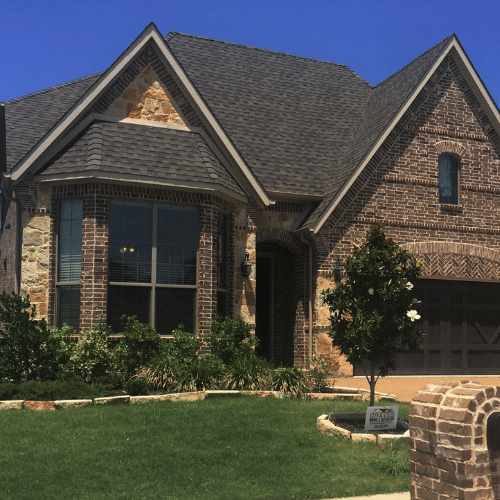
Roofing Projects We’ve Completed in Rockwall & Beyond
From roof repairs and replacements to storm damage restoration, every project we complete is an opportunity to deliver quality workmanship and a finished roof our customers can feel confident in. Take a look at some of the homes we’ve helped protect throughout Rockwall and the surrounding communities.
About Graves Roofing & Restoration
Graves Roofing & Restoration was founded in 2013 by Rockwall natives Bryan and Lauryn Graves, who brought more than 20 years of storm restoration experience to their hometown. In 2016, they went all in on their mission to serve the Rockwall community with the expertise, dedication, and personal care of a family-owned business. Today, our certified and insured team of roofing contractors and project managers handles everything from major construction projects to minor repairs, with a dedicated project manager guiding each customer every step of the way.
Our commitment is simple: deliver quality work while treating every homeowner like family. Rooted in the Rockwall community, we take pride in our hard work, personalized service, and lasting relationships with the homeowners we serve.
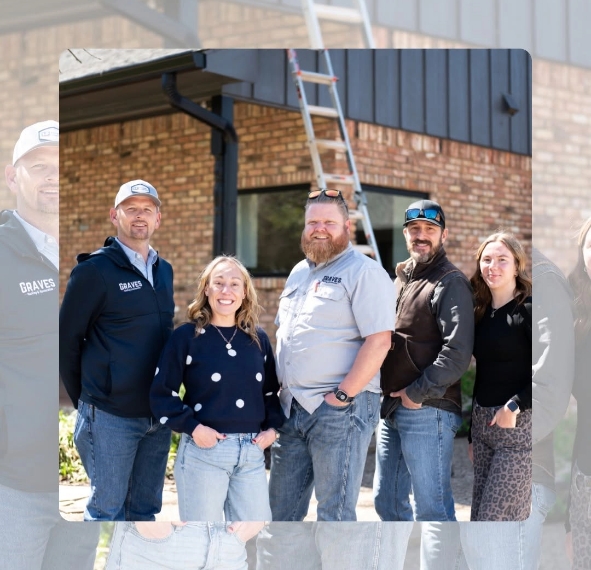
Quality You Can Trust
Since 2013, Graves Roofing & Restoration has been proudly serving Rockwall and the surrounding communities with experienced, dependable roofing and restoration services. From inspections and repairs to storm restoration, gutters, and windows, our team brings industry-leading expertise backed by certifications from GAF, CertainTeed, Owens Corning, and TAMKO.
We stand behind our work with a three-year craftsmanship warranty, manufacturer warranties, and free inspections to help you make confident decisions. While Rockwall is home, we serve communities throughout the DFW Metroplex and East Texas. Whether you need a roof repair, replacement, or storm restoration, you can count on Graves for quality work, honest service, and a team that treats you like family.
Two Locations. Better Coverage Across North Texas
Serving Communities Throughout North Texas
Our Rockwall and Richardson locations help us serve homeowners throughout the surrounding North Texas communities.
Ready to Protect Your Home?
Whether your roof needs a repair, replacement, or closer look after a storm—or you’re ready to upgrade your gutters or windows—Graves Roofing & Restoration is here to help. Get a free inspection and honest recommendations from a local team you can trust.