A storm rolls through, hail hits the neighborhood, and now you are staring at the roof wondering two things: Is it damaged, and will homeowners insurance pay for it?
The honest answer is that homeowners insurance may cover roof damage, but coverage is never automatic. It depends on what caused the damage, what your policy includes, the condition of the roof, your deductible, and the insurance company’s review of the claim.
The Short Answer: It Depends on the Cause and the Policy
Many homeowners policies cover sudden damage from events such as wind, hail, or a tree striking the house. The Texas Department of Insurance explains that wind and hail coverage is commonly included in Texas homeowners policies outside the coastal area, although policy terms and deductibles vary.
That is different from an old roof simply wearing out. TDI also states that home policies generally do not pay for damage that develops over time, including worn roofs. A storm and normal aging can affect the same roof, which is one reason the insurer needs to review the damage and the policy before deciding what is covered.
What Types of Roof Damage May Lead to a Claim?
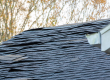
Weather-related damage is a common reason homeowners call their insurance company. Hail can dent or puncture shingles. Strong wind can lift or remove them. A falling branch may crack or open part of the roof. Rain may then enter through an opening created by the storm.
Graves Roofing & Restoration lists hail, wind, rain, fallen branches, wildlife, and age-related wear among the possible causes of roof damage. That list helps explain what a roof inspection may uncover; it does not mean every cause is covered by every policy.
The insurer—not the roofing contractor—decides whether a specific loss is covered and how much the policy will pay.
Does Hail Damage Automatically Mean Insurance Will Pay?
No. Hail is often a covered cause of loss, but a homeowner still needs the right coverage, must meet the policy requirements, and usually pays a deductible. The company may also consider the roof’s age and condition, the location and date of the damage, and whether the policy pays replacement cost or actual cash value.
Even when neighbors receive roof replacements after the same storm, your result may be different. Their homes, roof conditions, deductibles, and policies may not match yours. The safest answer comes from your own policy and your insurer.
What Should I Do After a Storm?
Start with safety. Do not climb onto a wet, steep, or damaged roof. From the ground, take photos or video of anything visible, such as missing shingles, debris, dents, or water entering the home. Make notes about when the storm occurred and when you first noticed the problem.
Take reasonable steps to prevent additional damage if you can do so safely, and save receipts for temporary work or materials. Then contact your insurance company or agent to report the damage and ask what documentation it needs. TDI’s hail and wind claim guidance recommends documenting damage, preventing further damage, keeping receipts, and being available for the adjuster’s visit.
A professional inspection can help you understand the physical condition of the roof before you make repair decisions.
What Can Graves Roofing Do During a Roof Claim?
According to Graves’ roof insurance claims page, its team can inspect the roof, photograph and document visible damage, and provide information for the homeowner’s claim. Graves also says a knowledgeable roofer can be present when the insurance adjuster inspects the property.
That support does not give Graves authority to approve coverage, interpret your policy for the insurance company, or guarantee a payment. The adjuster and insurer handle the claim decision. Keeping those roles separate gives the homeowner a clearer picture of who answers which question.
Should I Repair the Roof Before the Claim Is Decided?
Emergency steps to limit additional damage may be necessary, but avoid assuming permanent work will be reimbursed before speaking with the insurer. Ask what the company wants documented, whether it needs to inspect the roof first, and what it considers an emergency repair.
If water is entering the home, Graves can inspect the condition and discuss possible roof repairs. For broader damage, an inspection may also lead to a conversation about roof replacement. Those construction recommendations should be based on the roof itself, while coverage questions stay with the insurance company.
Questions to Ask Your Insurance Company
Ask whether wind and hail are included, what deductible applies, whether the roof is covered at replacement cost or actual cash value, and whether the policy has special limits based on roof age or materials. Also ask how long you have to report the damage, what photos or estimates are required, and whether the adjuster must inspect before permanent repairs begin.
If an answer is unclear, ask the agent or adjuster to point you to the relevant policy language. That is more reliable than assuming a neighbor’s claim or an online example will apply to your home.
Get the Roof Checked Without Guessing About Coverage
You do not need to decide from the driveway whether a few marks are hail damage or whether insurance will approve a new roof. You need two separate answers: a roofing professional can assess the roof’s condition, and your insurance company can explain the policy and make the coverage decision.
Graves Roofing & Restoration serves Rockwall and surrounding communities and offers free inspections. Learn more about Graves’ roof insurance claim support or schedule an inspection to document what is actually happening before you decide on the next step.