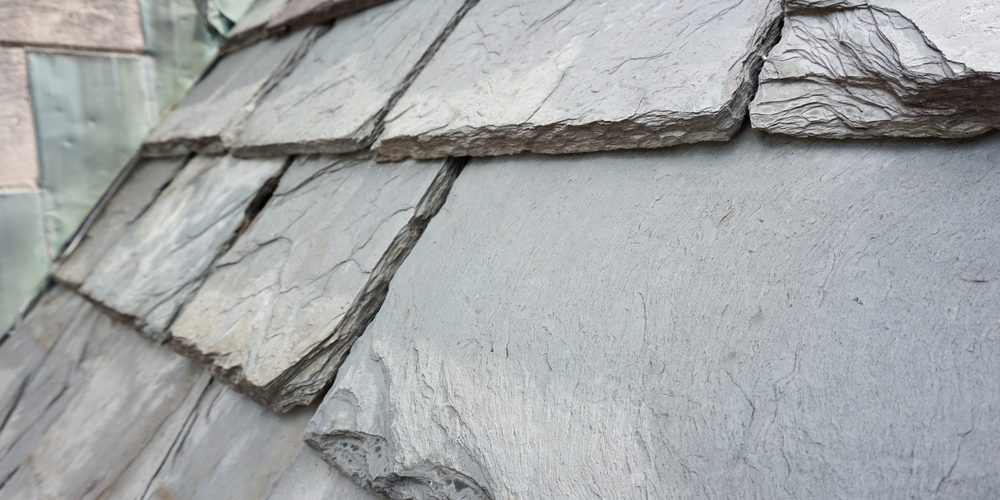
Natural slate has long been considered one of the most elegant roofing materials available. Its timeless appearance, exceptional longevity, and premium aesthetic have made it a favorite among homeowners who want their property to stand out. However, traditional slate also comes with significant challenges, including high material costs, specialized installation requirements, and considerable weight.
Today, advances in roofing technology have introduced an alternative that delivers many of the same visual benefits while addressing many of the limitations of natural stone. Synthetic slate roofing has become an increasingly attractive option for homeowners who want the classic appearance of slate without many of the drawbacks associated with traditional materials.
Key Takeaways
- Synthetic slate provides the appearance of natural slate with significantly less weight.
- Modern manufacturing creates roofing materials that resist impact, moisture, and UV exposure.
- Installation is often more efficient than traditional slate roofing.
- Many homeowners appreciate the long-term balance between durability, appearance, and maintenance.
- Synthetic products continue to gain popularity as roofing technology advances.
Why Homeowners Are Looking Beyond Traditional Slate
Natural slate has earned its reputation over centuries. Few roofing materials can match its distinctive texture or architectural elegance. Many historic homes still feature original slate roofs that have lasted for generations.
Despite these advantages, natural slate is not practical for every property.
Its weight often requires additional structural support, increasing overall project costs. Installation demands specialized expertise, and repairs can become expensive because matching individual stone tiles is not always straightforward.
For many homeowners, the challenge becomes finding a roofing material that captures the appearance of slate while offering greater flexibility, affordability, and ease of installation.
That search has led many to consider synthetic alternatives.
What Is Synthetic Slate Roofing?
Unlike natural slate, which is quarried from stone, synthetic slate products are manufactured using advanced composite materials engineered to replicate the appearance and texture of traditional slate.
Depending on the manufacturer, these materials may include recycled polymers, rubber compounds, engineered plastics, or proprietary composite blends. The goal is to create a roofing product that closely resembles genuine slate while improving performance characteristics important to modern homeowners.
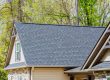
From the ground, many synthetic products are remarkably difficult to distinguish from natural slate. Manufacturers have invested heavily in creating realistic textures, varied color profiles, and molded edges that mimic authentic stone.
As a result, homeowners no longer need to compromise between appearance and practicality.
A Lighter Roofing System With Greater Flexibility
One of the biggest reasons homeowners choose synthetic slate is weight.
Natural slate is among the heaviest roofing materials available. Installing it often requires engineers to verify that the home’s framing can safely support the additional load. In some cases, structural reinforcement becomes necessary before roofing work can even begin.
Synthetic alternatives eliminate much of this concern.
Because they weigh significantly less than natural stone, many homes can accommodate a synthetic slate system without requiring structural modifications. This lighter construction also makes transportation, handling, and installation considerably easier.
For homeowners considering a roof replacement, this can simplify both project planning and overall installation.
Built to Handle Modern Weather Conditions
Today’s roofing materials are expected to perform under a wide variety of environmental conditions.
Heat, heavy rain, hail, high winds, and rapid temperature changes all place stress on roofing systems throughout the year.
Many synthetic slate products are engineered specifically to withstand these challenges. Unlike natural stone, which may crack if struck by significant impact, many composite roofing systems are designed with flexibility that allows them to absorb impacts more effectively.
This can be particularly valuable in regions where hailstorms or severe weather occur regularly.
Additionally, synthetic materials generally resist moisture absorption, helping reduce concerns related to freeze-thaw cycles, cracking, or water-related deterioration.
Lower Maintenance Without Sacrificing Appearance
Every roofing material requires periodic inspection, but homeowners often appreciate the relatively low maintenance associated with synthetic slate systems.
Natural slate occasionally requires replacing broken stone tiles, and repairs often require specialized knowledge. Matching replacement pieces can also become difficult depending on the age of the roof.
A synthetic slate roof generally offers greater consistency because replacement materials remain more uniform in both appearance and manufacturing.
Many products also resist algae growth, fading, insect damage, and weather-related deterioration better than traditional materials, helping homeowners preserve curb appeal with less ongoing maintenance.
Aesthetic Appeal That Enhances Curb Appeal
Appearance continues to be one of the strongest selling points.
Homeowners frequently choose slate because it conveys sophistication, craftsmanship, and architectural character. Modern synthetic products have become remarkably convincing, offering deep shadow lines, textured surfaces, and dimensional profiles that closely resemble genuine slate.
Manufacturers also provide multiple color options that complement traditional, contemporary, farmhouse, Tudor, Colonial, and custom home designs.
The result is a roofing system that delivers premium visual appeal while remaining practical for today’s homeowners.
Why Synthetic Slate Continues to Gain Popularity
Homeowners today are often thinking beyond immediate costs. Instead of choosing roofing materials based solely on upfront pricing, many are evaluating long-term value. Durability, maintenance requirements, energy efficiency, curb appeal, and expected lifespan all play a role in the decision-making process.
Synthetic slate aligns well with these priorities because it offers a combination of premium aesthetics and practical performance. While no roofing material is maintenance-free, many composite slate products are engineered to resist common issues such as cracking, moisture absorption, insect damage, and fading. This means homeowners can often enjoy the appearance of a high-end roof while reducing some of the concerns associated with natural stone.
Another factor driving interest is product innovation. Manufacturers continue to refine composite roofing materials, improving color retention, impact resistance, and weather performance. As technology advances, synthetic slate has become an increasingly attractive option for homeowners seeking both beauty and reliability.
Is Synthetic Slate the Right Choice for Every Home?
Like any roofing material, synthetic slate is not a one-size-fits-all solution.
The ideal roofing system depends on several factors, including the home’s architectural style, structural design, local weather conditions, budget, and long-term ownership goals. While some homeowners may prefer traditional asphalt shingles or metal roofing, others find that synthetic slate offers the best balance between appearance and functionality.
A professional roof evaluation can help determine whether a home is well suited for this type of material. Roofing contractors can assess structural considerations, explain available product options, and recommend solutions that align with both the home’s design and the homeowner’s priorities.
Making an informed decision is ultimately more valuable than selecting a material based solely on trends or appearance.
Investing in Long-Term Performance
Replacing a roof is one of the most significant improvements a homeowner can make. Beyond protecting the home from the elements, a new roof influences energy efficiency, resale value, maintenance costs, and overall curb appeal.
Choosing a material designed for long-term performance can help reduce future maintenance concerns while enhancing the home’s appearance for decades to come. Although every roofing product has its own strengths, synthetic slate continues to stand out because it addresses many of the limitations traditionally associated with natural slate without sacrificing visual appeal.
For homeowners planning to remain in their homes for many years, that balance between performance and aesthetics can make a meaningful difference.
Discover Whether Synthetic Slate Is Right for Your Home
Every home has unique roofing needs, and choosing the right material starts with understanding your options. Graves Roofing & Restoration helps homeowners compare roofing systems, evaluate long-term performance, and determine which solution best fits their property, budget, and goals.
If you’re considering a premium roofing upgrade or planning your next roofing project, contact us today to schedule a professional consultation and take the next step toward a durable, beautiful roof built to last.