A roof spends every summer absorbing hours of direct sunlight, often reaching temperatures far hotter than the air outside. While those scorching afternoons may go unnoticed from the ground, they quietly take a toll on the materials protecting your home. Over time, repeated exposure to intense heat and sunlight can accelerate the aging of asphalt shingles, reducing their performance long before leaks or missing shingles become obvious.
Modern asphalt shingles are built to withstand years of changing weather, but no roofing material is immune to constant thermal stress. As temperatures climb and ultraviolet (UV) rays beat down day after day, shingles gradually lose flexibility, protective granules begin to wear away, and roofing components expand and contract with every cycle of heating and cooling. Understanding how summer heat affects asphalt shingles can help homeowners recognize early signs of wear and take steps to maximize the life of their roof.
Why Heat Affects Roofing Materials More Than Many Homeowners Realize
Storms usually get the blame for roof damage, but heat is often the quieter culprit. Unlike severe weather, which causes sudden and visible damage, high temperatures work gradually, wearing down roofing materials over months and years.
Every day follows the same cycle. As the roof heats up, roofing materials expand. When temperatures cool overnight, they contract again. While the movement is slight, repeating this process thousands of times throughout the life of a roof gradually contributes to wear that homeowners rarely notice until more significant problems appear.
For homes in warm climates, where long periods of extreme heat are common, this cycle plays a major role in determining how long asphalt shingles remain in good condition.
The Impact of Ultraviolet Radiation
Heat is only part of the equation. Constant exposure to ultraviolet radiation also affects the long-term durability of asphalt shingles.
The sun slowly breaks down many materials left outdoors, including paint, plastics, and wood finishes. Asphalt shingles experience a similar process. Over time, UV rays gradually degrade the oils and compounds that help shingles remain flexible and resilient.
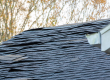
As that flexibility diminishes, shingles become more susceptible to curling, cracking, and surface deterioration. The process is gradual, but roofs that receive prolonged direct sunlight often show signs of aging sooner than those shaded for part of the day.
While this natural weathering can’t be stopped entirely, understanding its effects helps explain why roofs in hotter climates often require closer monitoring.
Thermal Expansion and Contraction Create Constant Stress
A roof is never completely still.
Every warm afternoon causes roofing materials to expand, while cooler nighttime temperatures trigger contraction. Although these movements are measured in fractions of an inch, the cumulative effect places continuous stress on the entire roofing system.
Fasteners, flashing, sealants, and shingle edges all experience this daily movement. Over time, repeated expansion and contraction can loosen critical connections and create small openings where moisture may eventually find its way beneath the roof covering.
This is one reason roof inspections pay close attention to flashing around chimneys, vents, skylights, and other roof penetrations. These areas often experience some of the greatest movement as temperatures fluctuate throughout the season.
Granule Loss Can Accelerate During Hot Weather
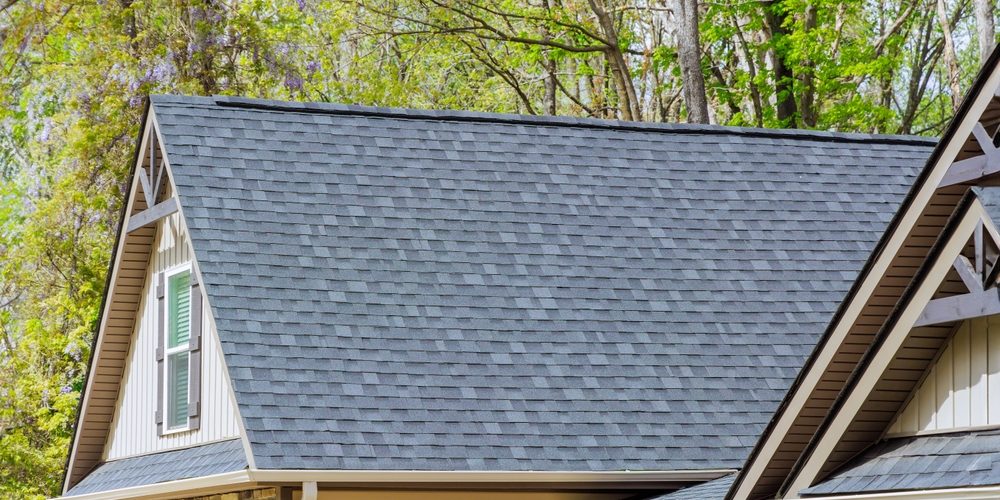
The textured surface of an asphalt shingle does far more than give the roof its appearance. Those mineral granules provide an essential layer of protection against ultraviolet radiation while improving durability and fire resistance.
Some granule loss is expected as a roof ages, but prolonged exposure to intense summer heat can accelerate that process.
Homeowners may first notice granules collecting in gutters or near downspouts after heavy rain. A small amount is perfectly normal, particularly on newer roofs, but excessive accumulation may indicate that shingles are beginning to weather more rapidly.
As protective granules wear away, the asphalt beneath becomes increasingly exposed to sunlight, allowing heat and UV rays to accelerate the aging process even further.
Why Attic Ventilation Matters
The condition of a roof isn’t determined solely by what happens above the shingles. What’s happening underneath can be just as important.
Poor attic ventilation allows heat to build up beneath the roof deck, creating extremely high temperatures inside the attic. When trapped heat combines with intense sunshine overhead, roofing materials experience stress from both sides.
A well-ventilated attic helps regulate temperature while allowing excess heat and moisture to escape. That not only reduces strain on roofing materials but can also improve indoor comfort and reduce cooling costs during the summer months.
In some homes, improving attic ventilation can play a meaningful role in extending the lifespan of the roof while helping the entire home operate more efficiently.
Signs That Summer Heat May Be Affecting Your Roof
Heat-related damage rarely appears overnight. More often, the effects develop gradually, with subtle warning signs becoming easier to spot as the roof continues to age.
Keep an eye out for:
- Curling or cupping shingles
- Cracked or brittle shingle surfaces
- Excessive granule loss
- Uneven fading or discoloration
- Soft or spongy areas on the roof
- Higher-than-normal attic temperatures
None of these issues automatically mean a roof has reached the end of its lifespan, but they do indicate that heat and weather exposure are beginning to take their toll. Identifying these signs early gives homeowners more flexibility when planning maintenance or repairs and may help prevent more extensive damage later.
The Role of Roofing Materials and Installation Quality
Not every roof responds to summer heat in the same way. Material quality, installation methods, ventilation design, and even roof color all influence how well a roofing system performs over time.
High-quality asphalt shingles are engineered to withstand years of exposure to changing weather conditions, but their longevity depends on more than the product itself. Proper installation helps ensure shingles, flashing, underlayment, and ventilation systems work together to manage heat, shed water, and accommodate normal thermal movement.
Roof color can also make a difference. Darker shingles generally absorb more heat than lighter-colored options, while some modern roofing products are designed with reflective technology to reduce heat absorption and improve energy efficiency.
Choosing roofing materials that suit the local climate is one of the most important decisions homeowners can make when replacing a roof.
Why Regular Roof Inspections Become More Important During Summer
Many homeowners don’t think about their roof until there’s an obvious leak or visible damage. By that point, however, smaller issues may have been developing for months or even years.
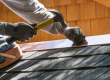
Routine roof inspections provide an opportunity to identify heat-related wear before it leads to more significant repairs. Summer is an especially practical time for an inspection because signs of thermal stress, deteriorating flashing, ventilation concerns, and aging shingles are often easier to identify while the roof is experiencing peak seasonal demand.
The goal isn’t simply to look for damage—it’s to understand the overall condition of the roofing system and address small concerns before they shorten the roof’s lifespan or lead to more costly repairs.
Conclusion
Summer heat is one of the most consistent forces acting on an asphalt shingle roof. Day after day, ultraviolet exposure, thermal expansion, and elevated temperatures gradually wear down roofing materials, even when no obvious damage is visible. While these changes happen slowly, they can have a lasting impact on a roof’s durability and overall performance.
Routine inspections, proper ventilation, and timely maintenance all play an important role in protecting that investment. Taking a proactive approach allows homeowners to identify developing issues early and extend the life of their roofing system before small concerns become larger repairs.
Concerned about how your roof is holding up after another hot summer? Schedule a roof inspection with Graves Roofing & Restoration to get a professional assessment of your roof’s condition and discuss the best options for protecting it for years to come.